
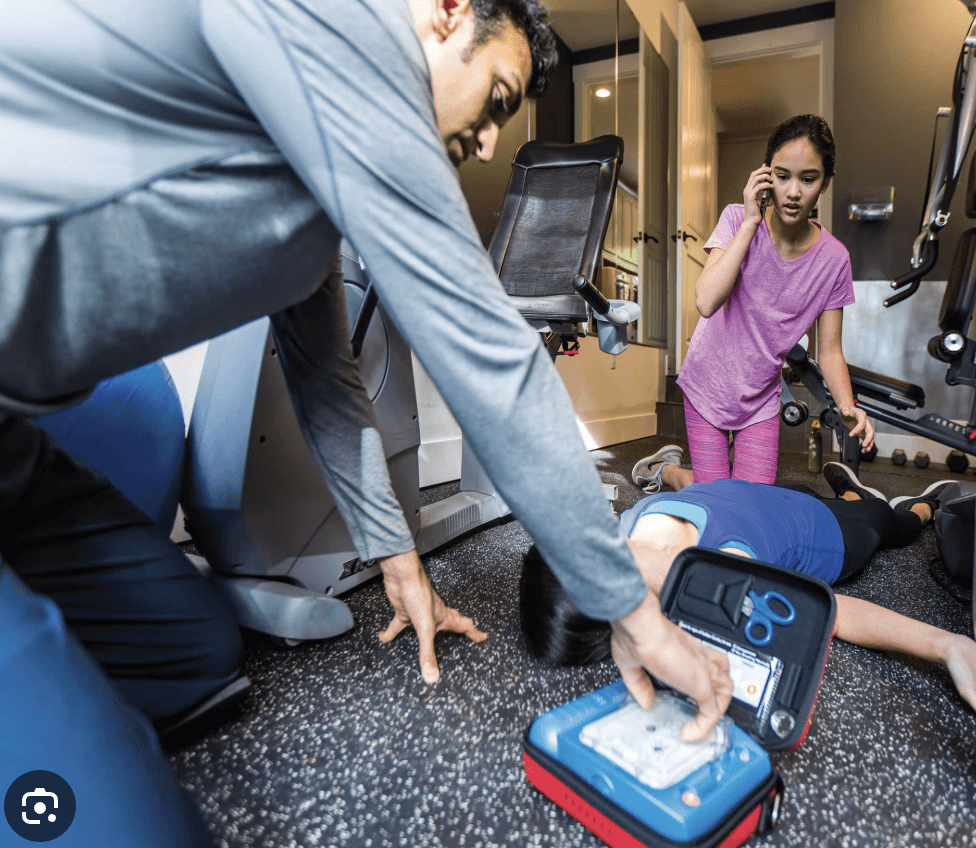
An AED sitting on a wall isn’t enough. It must be ready the moment it’s needed. A quick check of battery life,
pads expiration, and proper placement can save precious seconds during sudden cardiac arrest
responses. This AED readiness checklist will show you exactly what to look for and how to keep your AED
ready every day.
Importance of an AED Readiness Checklist
You might think having an AED is enough. But what if it's not ready when it matters most? A
readiness checklist ensures everything is in working order. First, this includes checking the
battery life regularly. Batteries should be replaced before they fail. Next, confirm the device is
in a visible and accessible location. This can mean the difference between life and death in an
emergency. Make sure to update your checklist every month. This simple routine can save lives. For further
information on maintaining your AED, check out this resource.
Key Components of AED Maintenance
AED maintenance involves a few critical steps. First, inspect the device for any damage. Look
for cracks or signs of wear. Replace any damaged or worn parts immediately. It's also vital to
keep an inspection log. This log tracks the checks you've done and when they occurred. This
effort ensures nothing is overlooked.
Another key component is the battery status. Batteries should always be charged and ready.
When the device indicates low power, replace the battery right away. Regular checks prevent
surprises during emergencies. For comprehensive guidance, explore the AED inspection
checklist.
Recognizing AED Pads Expiration
AED pads have an expiration date. Using expired pads can reduce the effectiveness of the
device. Always check the pad expiration date. Keep spare pads on hand, and note their expiration
dates in your log. Replace pads before they expire to ensure your AED works properly.
If you're unsure how to track this, you can find helpful tips on AED pad management here.
Creating a proactive AED program ensures that devices are ready and accessible when needed.
This involves more than just having the equipment.
Workplace AED Program Essentials
In the workplace, an AED program is crucial for safety. Start by training employees. They
should know how to use the device and perform CPR. Next, assign someone to handle AED
maintenance. This person keeps the readiness checklist updated and ensures compliance with
safety standards.
Place AEDs in high-traffic areas. Make sure signs are visible to guide people in an emergency.
This can make your workplace safer.
Public Access Defibrillator Strategies
Public spaces need AEDs accessible to everyone. But placement is key. Consider areas with high
foot traffic, like malls or sports arenas. Make sure AEDs are visible and have clear signage.
Public education is also important. People need to feel confident using an AED if the situation
arises.
Encourage community awareness through workshops. By doing so, you empower people to act
in emergencies. Discover more about public AED strategies at this link.
Conducting an AED Site Assessment
An AED site assessment identifies potential issues before they arise. Start by evaluating the
current AED locations. Are they accessible? Are they visible? Check if there are enough AEDs
to cover the area.
Next, assess workplace and staff training. Ensure everyone knows how to use the AED and is
confident in doing so. Regular assessments keep your program effective and ready for
emergencies.
Engaging in Community Lifesaving Training
Training is the backbone of any successful AED program. It empowers people to save lives.
Benefits of CPR and AED Training
Training in CPR and AED use increases survival rates. When more people know how to respond,
communities become safer. Training also boosts confidence. When people are confident, they act quickly
and efficiently. This can significantly increase the chances of survival in a cardiac emergency.
Scheduling Free CPR/AED Classes
Offering free CPR and AED classes encourages community involvement. It removes financial
barriers to lifesaving education. Schedule classes regularly. This keeps skills fresh and ensures
new members are trained. Partner with local organizations to reach more people.
These classes create a network of trained individuals ready to act when needed. For scheduling
assistance, consider engaging local community centers in this effort.
Enrolling in DefibMan AED Management Service
The DefibMan AED Management Service simplifies maintenance. It tracks battery and pad
expiration, ensuring replacements before they expire. This service also handles regulatory
compliance. This means less administrative work for you.
Most organizations struggle with keeping their AEDs ready. DefibMan takes this burden off your
shoulders, letting you focus on other priorities. Consider enrolling to ensure your AEDs are
always ready to go.
