
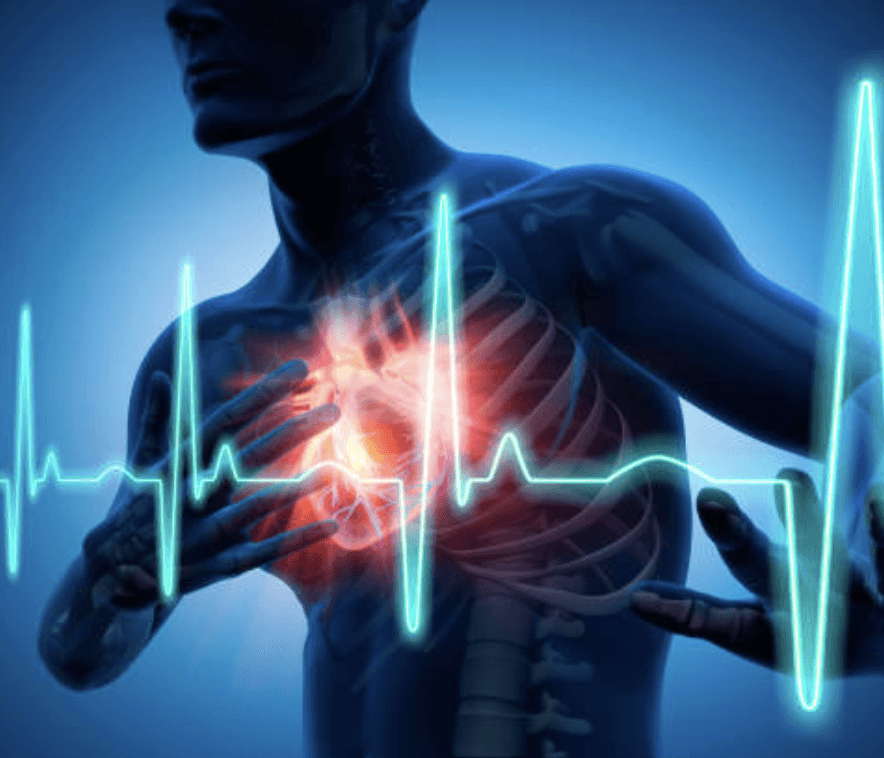
What is Cardiac Arrest?
Cardiac arrest, sometimes called sudden cardiac arrest, happens when the heart suddenly stops beating. That means blood flow to the brain and other vital organs stops almost immediately. Without quick treatment, a person can lose consciousness, suffer brain damage, or die within minutes.
In fact, according to the American Heart Association 9 out of 10 people who experience cardiac arrest outside of a hospital don’t survive. But immediate action can double or even triple survival chances.
Recognizing the Symptoms
Sometimes, cardiac arrest strikes without warning. But some people may feel symptoms just before it happens, such as:
- Chest pain or pressure
- Shortness of breath
- Dizziness or lightheadedness
- Fatigue or weakness
- Palpitations that fast or pounding heartbeat
- Nausea or vomiting
- Sudden collapse or loss of consciousness
If someone collapses suddenly, doesn’t respond, and isn’t breathing normally, assume cardiac arrest and act fast.
What Causes Sudden Cardiac Arrest?
1) Irregular heart rhythms (Arrhythmias):
The heart’s electrical system goes wrong, causing dangerous rhythms like ventricular fibrillation (when the heart shakes instead of pumping) or bradycardia (when it slows down too much).
2) Heart damage or weak heart muscle: A past heart attack, high blood pressure, or heart failure can scar or weaken the heart, making it more likely to stop suddenly.
3) Blocked arteries (Coronary artery disease): When fatty buildup (plaque) clogs the arteries, blood can’t reach the heart muscle. This can trigger a heart attack or dangerous rhythm changes that cause cardiac arrest.
4) Heart’s “built-in wiring” problems: Some people are born with electrical issues like Wolff–Parkinson–White syndrome or long QT syndrome, which can cause sudden rhythm problems, especially during exercise.
5)Chemical or medication issues: Low or high levels of potassium or magnesium, or certain heart medicines, can throw off the heart’s rhythm. Even medicines meant to treat heart rhythm problems can sometimes cause new ones.
Other sudden triggers
- Severe blood loss or lack of oxygen (like from choking or drowning)
- Drug use
“Am I at risk for cardiac arrest?”
Cardiac arrest doesn’t just happen out of nowhere - there are several lifestyle and hereditary factors that can increase the risk.
These include:
- Alcohol or drug abuse
- A family history of heart disease or cardiac arrest
- Heart disease
- High blood pressure
- High cholesterol
- Low potassium or magnesium due to nutritional deficiency
- Obesity
- Smoking
It’s important to know that some people experience cardiac arrest with no risk factors at all.
Cardiac arrest is also more common in older men than women.
Cardiac arrest can be fatal within minutes without treatment and is one of the leading causes of natural death in the United States. After hospital discharge, doctors may recommend lifestyle changes and ongoing care with a cardiologist to monitor the heart’s electrical system and help prevent future complications.
For more information, visit our blog page and read our many other blog articles about sudden cardiac arrest.
